
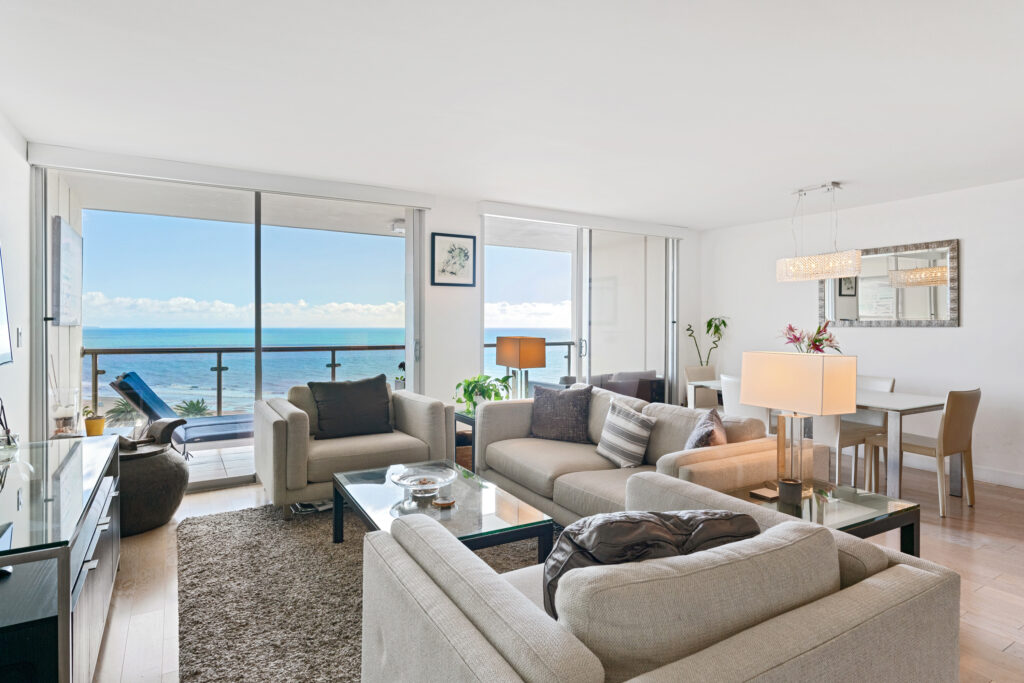
Some Westside LA homes look like they belong in a magazine but don’t always match their hefty price tags. You might feel drawn to a Santa Monica real estate listing that shines online yet lingers on the market longer than expected. Spotting overpriced listings before making a move saves you time and money. Let’s break down the key signs that reveal when luxury home pricing doesn’t add up.
Identifying Overpriced Listings
Luxury homes can sometimes hide their true value behind flash and glamour. Knowing the signs of overpriced listings helps you make smarter decisions when buying or selling.
Misleading Luxury Features
Don’t be swayed by shiny features. Some homes boast luxury elements that don’t truly add significant value. For instance, a sleek new kitchen might look great but isn’t always worth the extra cost if other parts of the house are outdated. Be careful with listings that emphasize high-end finishes while lacking structural integrity or modern systems. Shiny surfaces might distract from underlying issues that could cost a fortune to fix later.
Consider the practicality of those luxury features. A home with a beautiful pool might seem like a dream, but if it requires constant repairs or is a pain to maintain, it might not be as valuable as it seems. Look at the bigger picture: a fancy facade doesn’t always mean the house is worth the price tag. Instead, focus on the fundamentals and overall condition of the property.
Inflated Price Per Square Foot
Pay attention to the price per square foot. It’s a common metric in real estate that can help you gauge whether a home is priced fairly. If a home’s price per square foot is significantly higher than similar properties in the area, it’s a red flag. This could mean you’re paying a premium for unnecessary features or the allure of exclusivity without real value.
Compare homes in the same neighborhood. If one listing is priced much higher with no clear justification, question why. Are you being asked to pay extra for an address? Sometimes homes are marketed for their location prestige more than their actual worth. Always balance the price per square foot with the tangible benefits and features you get from the property.
Key Market Indicators
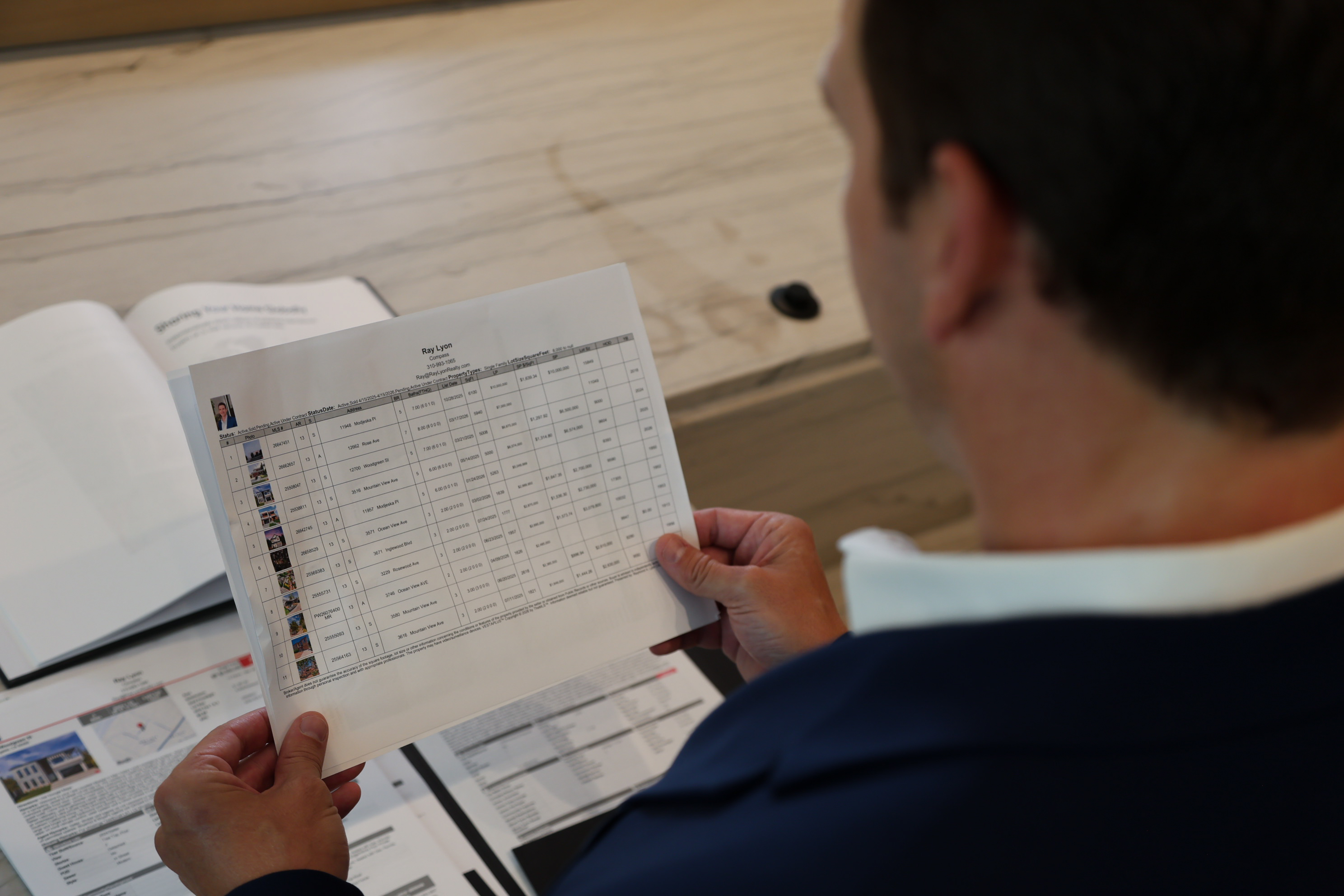
Understanding market dynamics helps you spot overpriced homes. Observing market indicators can give you the edge you need to make informed decisions.
Days on Market Concerns
A home sitting on the market for an extended time can indicate overpricing. While a quick sale isn’t always the goal, excessive time on the market often signals an issue with the asking price. A home that lingers might be priced too high or have defects unattractive to buyers. It’s crucial to notice how long a listing has been active when evaluating a property.
Occasionally, a home might stay on the market due to unique circumstances. Maybe the seller isn’t in a rush, or there are special terms attached. However, if it’s been months with no offers, it’s wise to question the value. Don’t ignore the red flags a long market time presents. Be ready to dig deeper and discover the reasons behind the delay.
List-to-Sale Price Ratio
The list-to-sale price ratio is another critical metric. This ratio compares the asking price of homes to the final selling price. A lower ratio suggests homes in the area are often sold for less than their initial price, hinting at systemic overpricing. In contrast, if homes regularly sell at or above their listed price, the market likely supports the valuations.
Check this ratio for neighborhoods you’re interested in. It gives you an idea of how flexible sellers might be in negotiations. A low ratio might mean there’s room for bargaining. Be cautious with properties listed significantly above the average list-to-sale ratio for the area without justifiable reasons. It’s crucial to ensure you aren’t overpaying in a market that doesn’t support the asking price.
Evaluating True Home Value

To truly understand a home’s value, you need to focus on comprehensive analysis and inspections. Here’s how to uncover the real worth of a property.
Importance of Comparative Market Analysis
A Comparative Market Analysis (CMA) is your best friend when evaluating a home’s worth. It involves comparing a property with similar ones recently sold in the area. A CMA can reveal whether a home is priced competitively or if it’s an outlier. This analysis helps you understand the market dynamics and provides leverage in negotiations.
If a CMA shows consistent pricing lower than the asking price, it’s a sign the listed value might be inflated. Use this data to negotiate better terms or reconsider your options. Make sure your realtor provides a detailed CMA for each property you’re serious about. It’s an essential tool in your decision-making arsenal.
Identifying Home Inspection Red Flags
Home inspections are crucial in revealing what lies beneath a home’s surface. Inspections uncover potentially costly issues that aren’t visible during a casual visit. Serious red flags might include outdated electrical systems, plumbing problems, or foundational issues. These can significantly affect the home’s value and future expenses.
Pay close attention to inspection reports. An immaculate appearance can hide major flaws. If a seller hesitates to allow a thorough inspection, that’s a red flag in itself. Don’t rush this process. Ensuring a home is structurally sound and free of major defects before purchasing can save you from a financial headache.
Frequently Asked Questions
What makes a home overpriced?
A home may be overpriced if its features don’t justify the asking price or if it’s listed higher than similar properties in the area. Factors like luxury finishes without functional value or an inflated price per square foot can contribute.
How can I tell if a home is overpriced before making an offer?
Check the price per square foot and compare it to similar homes. Review the list-to-sale price ratio in the area and assess how long the home has been on the market. These indicators can help spot an overpriced listing.
Why is a Comparative Market Analysis important?
A CMA provides insight into the market value by comparing a property with recently sold homes in the same area. It helps determine if a listing is priced fairly and offers leverage in negotiations.
What should I look for in a home inspection?
Home inspections should reveal major issues like foundational problems, outdated systems, or hidden damage. Ensure the inspection is thorough to avoid future costly repairs.
What does days on market indicate about a listing?
If a property has been on the market for an extended time, it might be overpriced or have other issues deterring buyers. Investigate further if a home has been listed for a longer period without offers.