
Off-market property deals in Santa Monica and the Westside offer unique opportunities—but they come with hidden risks. Without the usual MLS visibility, how do you know if the price matches the true market value? This guide walks you through a clear, step-by-step property evaluation process so you can move forward with confidence and exclusive insights tailored to luxury homes and investment properties.
Understanding Off-Market Properties
Off-market properties are a unique segment in real estate, offering both challenges and opportunities. Understanding these can help you make informed decisions while navigating the Westside market.
What is an Off-Market Property?
An off-market property is not listed on the Multiple Listing Service (MLS). This means you won’t find it advertised like traditional listings. These properties are often sold directly by the owner or through a real estate agent’s private network. The primary benefit here is privacy. Sellers might choose this route to avoid public exposure or to test the waters before an official listing. For buyers, this can mean access to exclusive homes that aren’t widely available.
Benefits of Pocket Listings
Pocket listings are a form of off-market properties. Here, the property is known only to select buyers and agents. This offers several benefits. Firstly, sellers can maintain privacy, keeping details out of the public domain. Secondly, there’s potential for a smoother, quicker transaction without the pressure of competing bids. As a buyer, you gain access to properties with less competition, which can be crucial in a hot market like Santa Monica.
Exploring Pre-MLS Opportunities
Pre-MLS opportunities allow you to view properties before they hit the broader market. These are homes that sellers are considering listing but haven’t yet. This gives you a head start—view and make offers before others even know the property is available. It’s an excellent way to gauge interest and possibly secure a deal before the bidding wars begin.
Conducting a Comprehensive Evaluation
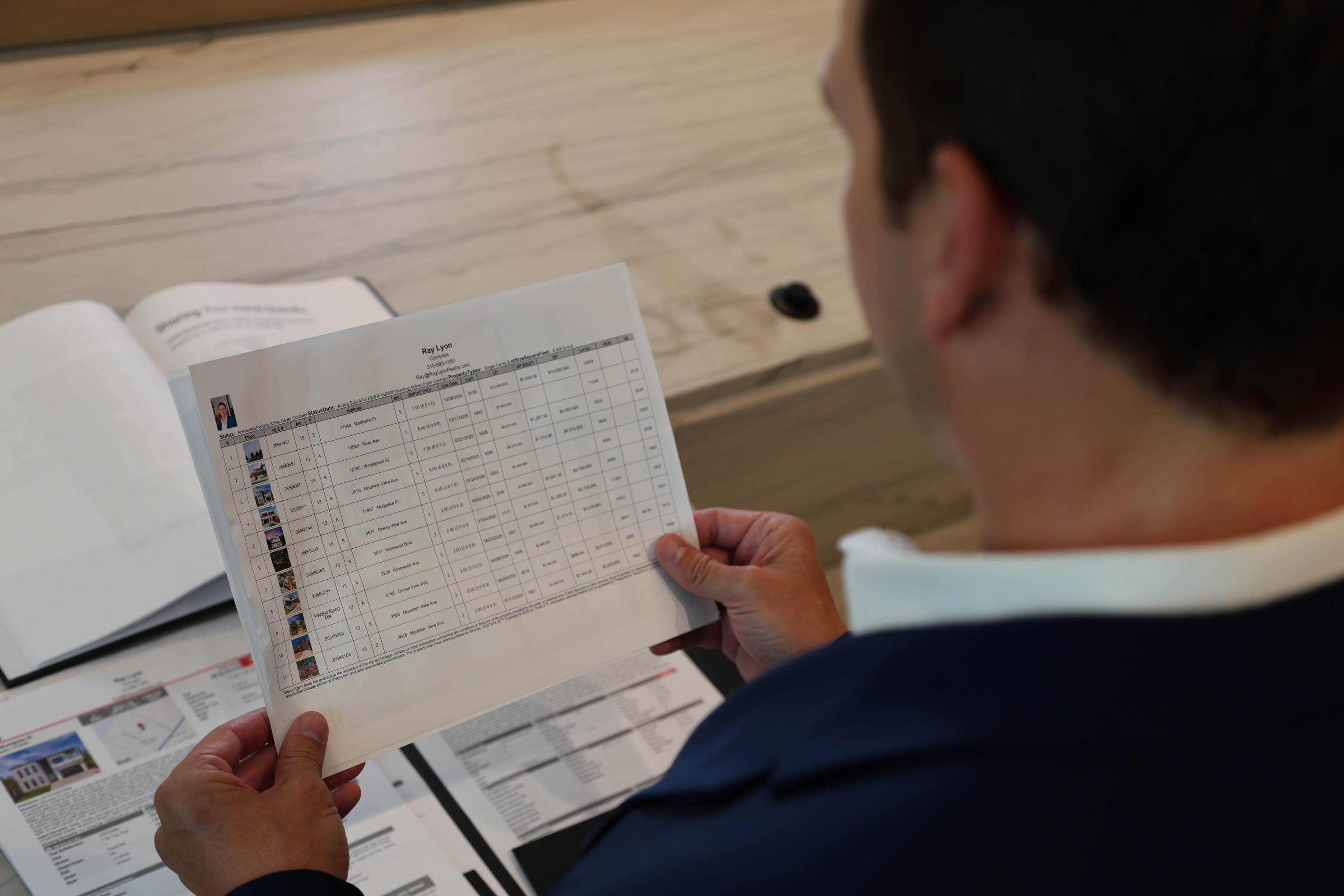
Understanding off-market properties is just the start. A thorough evaluation ensures you don’t miss crucial details that could affect your investment.
Comparative Market Analysis
A Comparative Market Analysis (CMA) is a critical tool for evaluating any property. It involves comparing the property in question with similar ones recently sold in the area. This helps you gauge if the asking price is fair. You look at factors like location, size, and condition. A well-done CMA can reveal hidden value or potential overpricing, guiding your negotiation strategy.
Assessing Rental and Resale Potential
When investing, consider both rental yield and resale potential. Evaluate the neighborhood’s rental demand. Is it near amenities, good schools, or public transport? These factors influence rental income. For resale potential, assess market trends. Are prices rising in the area? Having this data ensures you’re not just buying a property, but a viable investment.
Title Search and Liens Evaluation
A title search ensures the property is free of legal issues. It reveals any liens, encumbrances, or claims on the property. Skipping this step can lead to unexpected financial burdens. Always verify the legal standing of a property before proceeding. This step protects your investment and gives peace of mind.
Navigating the Santa Monica and Westside Market
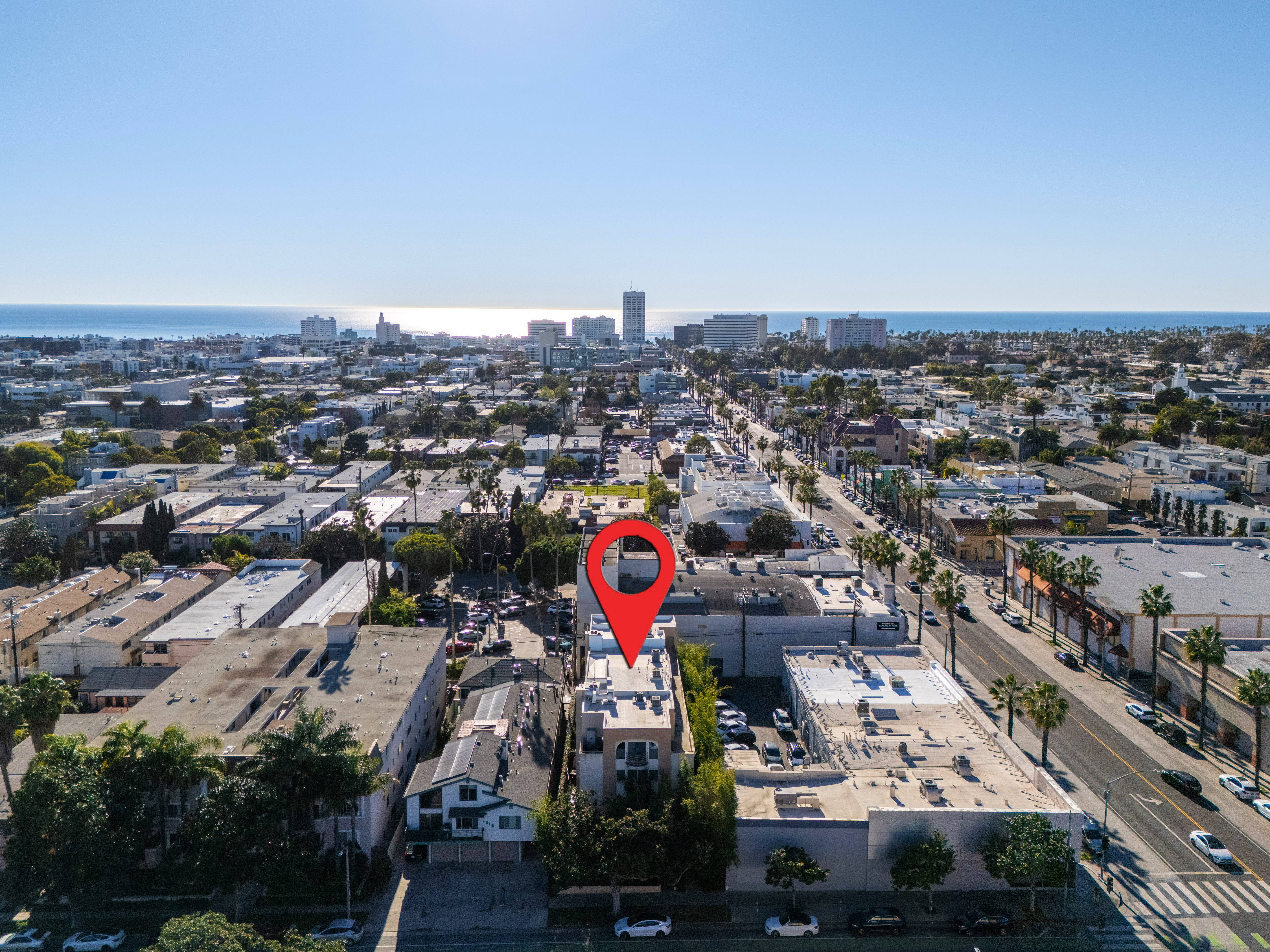
Navigating these high-demand markets requires awareness of specific local factors that can influence property value and investment potential.
Zoning and ADU Potential
Zoning laws dictate what can be done with a property. Understanding these is crucial, especially if you plan to add an Accessory Dwelling Unit (ADU). ADUs can increase a property’s value and rental income. Check local regulations for what’s permissible to avoid future headaches.
Analyzing Neighborhood Micro-Trends
Each neighborhood has its unique micro-trends. Pay attention to factors like new developments, changes in school ratings, or shifts in demographic trends. These can impact property values significantly. Staying informed helps you make strategic decisions about where to invest.
Setting Contingencies and Timelines
When making an offer, setting proper contingencies protects your interests. Common contingencies include inspections, financing, and appraisal. Timelines are equally important. Knowing how long each process takes helps in planning and reduces stress. Proper planning means you’re prepared for any scenario.
Frequently Asked Questions
What is the main advantage of buying off-market properties?
Off-market properties offer privacy and often less competition, making it easier to negotiate favorable terms.
How can I assess the true value of an off-market property?
Conduct a Comparative Market Analysis (CMA) by comparing similar recently sold properties to ensure fair pricing.
What should I check during a title search?
Ensure there are no liens, encumbrances, or legal claims on the property to avoid future financial issues.