
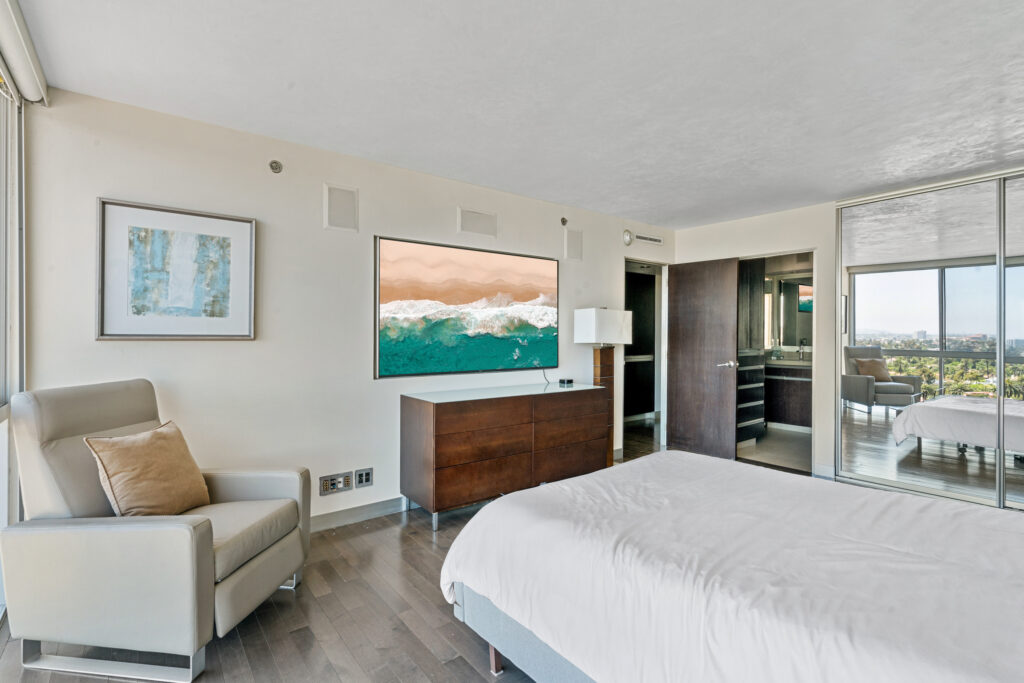
Stunning staging can make any Santa Monica luxury real estate listing look irresistible. But if you focus only on curb appeal, you might miss hidden issues or overlooked advantages. Knowing how to compare coastal luxury homes by their location, build quality, and true market value gives you the edge every buyer needs. Ready to see beyond the surface and make smart choices? Let’s get started. Learn more.
Evaluating Coastal Home Location
When comparing coastal luxury homes, location is everything. It isn’t just about the neighborhood; understanding subtle location factors can make all the difference.
Understanding Micro-Location Factors
Think about two homes on the same street. One gets a direct breeze from the ocean, while the other is shielded by a building, stifling airflow. Micro-location factors like wind patterns and street orientation can change the living experience. Pay attention to how close amenities are: Are there shops or schools nearby? Proximity to conveniences can enhance daily life and future resale value.
Also, consider noise levels. A house near a busy road might seem appealing, but the constant drone of traffic can be a deal-breaker. A quiet street is valuable, offering peace at home. Understanding these nuances helps you make informed decisions, ensuring your investment is sound.
The Importance of View Corridors
A stunning ocean view is a top draw for many buyers. But not all views are created equal. View corridors are protected sightlines ensuring unobstructed ocean views from certain locations. Before purchasing, verify if the view is protected or if future construction could block it. A blocked view can impact your enjoyment and the property’s value.
Think long-term: A home with a protected view corridor offers an enduring feature that retains its appeal. It’s not just about today’s view but ensuring that view remains for years to come. This foresight protects your investment and enhances your lifestyle.
Bluff vs. Sand: Pros and Cons
Coastal homes often sit on bluffs or directly on the sand. Each setting has unique benefits and drawbacks. Bluff homes provide elevated views, offering a panoramic ocean experience and protection from flooding. Yet, they might have more stairs and less direct beach access.
In contrast, sandy lot homes offer the joy of stepping straight onto the beach. However, they might face higher maintenance due to sand and salt exposure. Understand these differences to match your lifestyle needs with your new home’s location.
Assessing Construction Quality
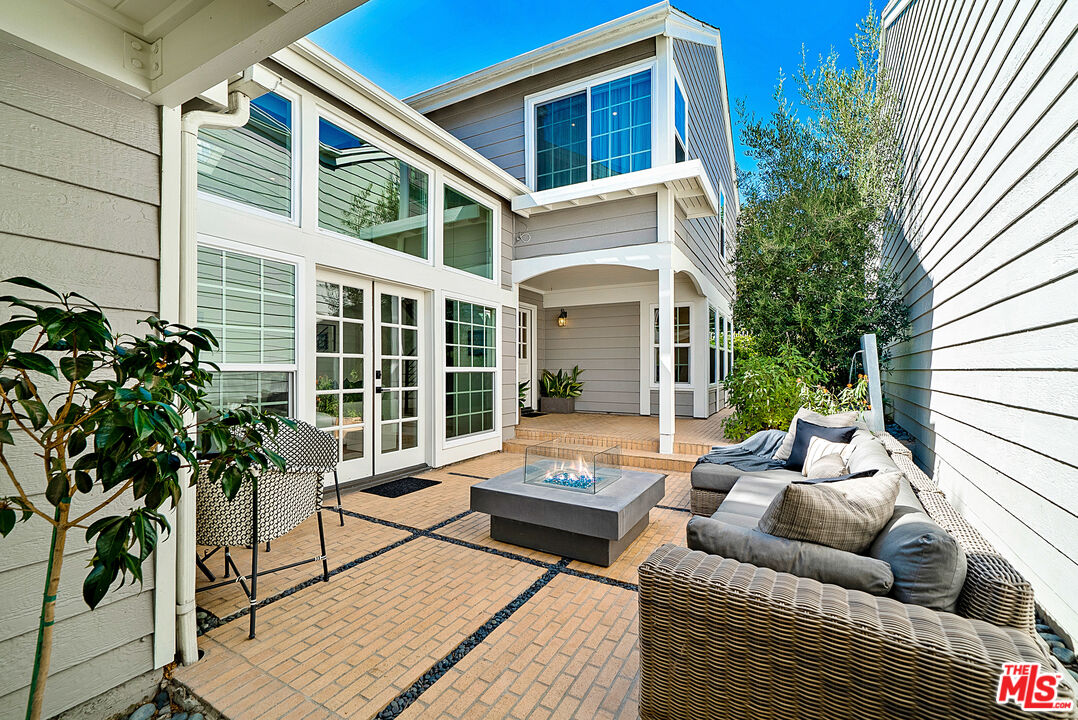
Once you’ve found the ideal location, it’s crucial to evaluate the home’s construction quality. This ensures longevity, safety, and comfort in your luxury home.
Key Elements of Build Quality
When inspecting build quality, focus on the foundation, roof, and materials. High-quality homes often use durable materials like reinforced steel and engineered wood. Look for signs of wear or shortcuts in construction. Well-built homes minimize future repair costs, providing peace of mind.
Check the windows and insulation: quality materials improve energy efficiency and comfort. Also, the quality of finishes, such as countertops and flooring, reflects the overall craftsmanship. A well-constructed home not only stands the test of time but also holds its market value.
Navigating Permits and Compliance
Understanding permits is essential when buying a coastal luxury home. Homes near the coast often require specific permits from entities like the Coastal Commission. Ensuring that all work is compliant with local regulations avoids legal issues down the line.
Check for recent renovations: were they permitted? Non-compliance can lead to fines and further headaches. Verifying permits gives confidence in your purchase and assures you that the home meets safety standards.
Importance of Seismic Retrofitting
In Los Angeles, seismic retrofitting is crucial. It enhances a home’s ability to withstand earthquakes, protecting your investment and safety. Look for homes that have undergone retrofitting or plan for the cost if it’s not already done.
Retrofitting may include bolting the house to its foundation or adding reinforced frames. Investing in retrofitting now ensures peace of mind and can improve resale value. It’s a smart step in safeguarding your property against natural disasters.
Long-Term Costs and Resale Potential
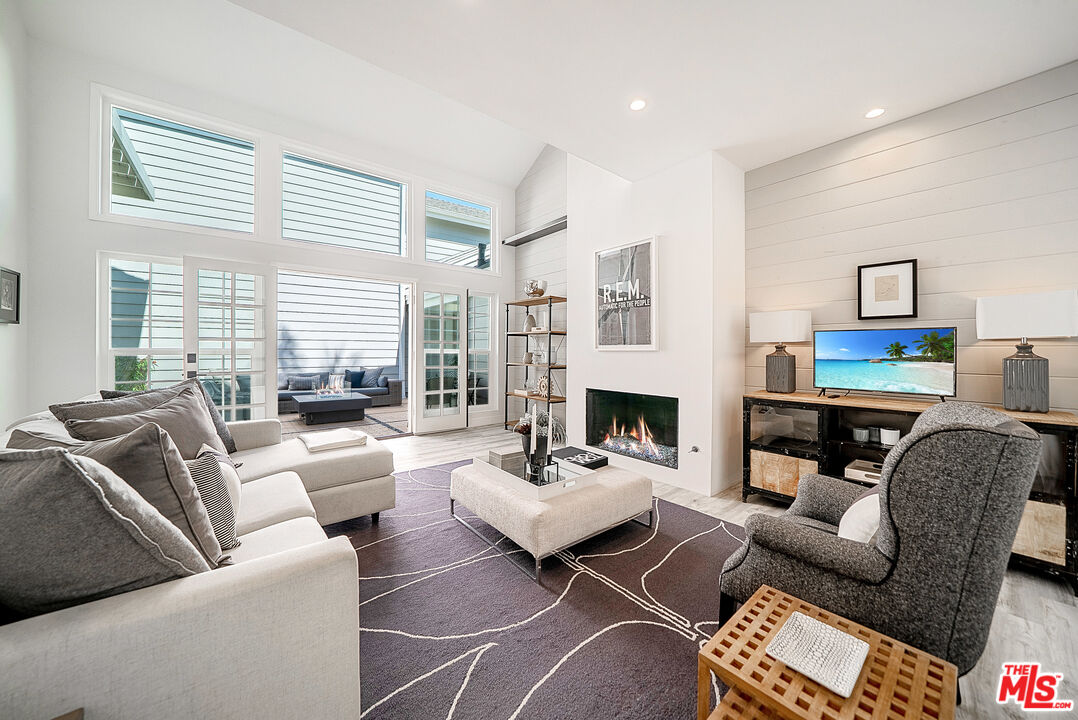
Understanding the long-term costs and potential resale value of a coastal home is key to making a wise investment. This goes beyond the initial purchase price.
Cost of Ownership Insights
Owning a coastal luxury home comes with unique costs. Maintenance is higher due to saltwater exposure, with regular upkeep needed for exteriors and metal fixtures. Factor in these costs when budgeting for your new home.
Insurance is another consideration. Coastal homes often require specialized insurance due to flood and storm risks. Understanding these costs ensures you’re prepared financially, avoiding surprises down the road.
Strategies for Market Positioning
When it’s time to sell, positioning your home in the market is crucial. Highlight unique features like protected views or high-end renovations. A strong marketing strategy can attract the right buyers and maximize your return.
Consider working with experts who understand the Westside market. The right strategy showcases your home effectively, appealing to buyers’ emotions and rational considerations. A well-positioned home sells faster and often at a higher price.
Evaluating Lifestyle Fit and Walkability
Lifestyle fit is essential in choosing the right home. Consider the area’s walkability: are there parks, cafes, or schools within walking distance? A high walkability score enhances daily life and boosts neighborhood appeal.
Evaluate your lifestyle needs. Do you prefer quiet seclusion or vibrant community living? Matching these preferences with your home environment ensures long-term satisfaction. This alignment not only benefits your lifestyle but also supports a strong resale value.
Frequently Asked Questions
What are micro-location factors in real estate?
Micro-location factors include specific elements like wind patterns, noise levels, and proximity to amenities. These can significantly impact the living experience and property value.
Why are view corridors important for coastal homes?
View corridors ensure unobstructed views, which can preserve a property’s aesthetic appeal and market value. Protected views are less likely to be blocked by future developments.
How does seismic retrofitting benefit a home in Los Angeles?
Seismic retrofitting strengthens a home’s structure to withstand earthquakes. This safety enhancement protects both your investment and personal safety, often increasing the property’s market value.