
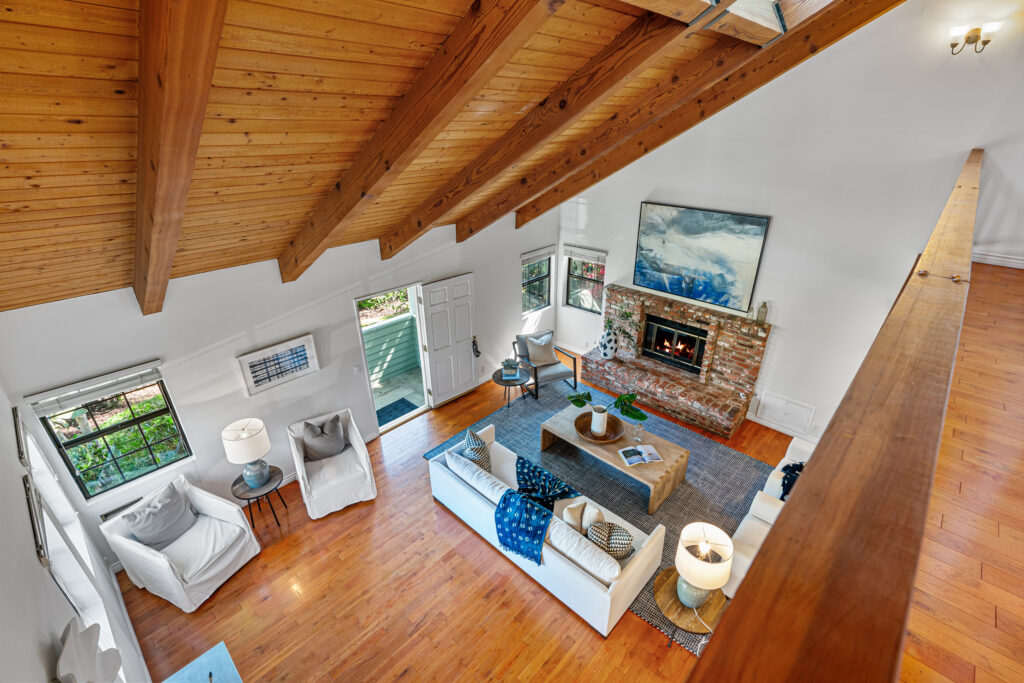
Shiny kitchens and fresh paint can fool even the savviest buyer. But what really shapes the value of Santa Monica real estate isn’t just the finishes—it’s the lot size, layout, permits, and resale potential. If you want to make smart moves in Westside homes, you need a clear plan to spot what truly matters. Let’s break down how to evaluate a property like a pro before falling for distractions. Learn more here.
Key Evaluation Fundamentals
A good starting point when assessing a home’s value involves understanding the fundamentals. They’re the foundation that can make or break real estate investment. Let’s explore these essentials.
Location and Street Profile
Location is everything in real estate. When evaluating a home, you need to consider its proximity to essential amenities like schools and parks. Santa Monica real estate is famously valued, partly due to its vibrant community and beachside appeal. Check out Santa Monica schools to understand the educational options nearby.
The street profile matters as well. A quiet cul-de-sac might offer peace, while a bustling street could mean noise but also accessibility to shops and cafes. Walking around the neighborhood at different times of the day can provide insights into traffic patterns and noise levels. The longer you wait to explore this aspect, the more you risk missing out on key details.
Lot Size and Usable Yard
A home’s lot size can significantly impact its value and potential uses. Larger lots provide space for potential expansions or outdoor activities. When looking at Westside homes, consider the size and shape of the lot. Is there room for a garden or pool?
A usable yard can enhance your lifestyle. Imagine hosting barbecues in a spacious backyard. But remember, not all lot size is usable. Steep slopes or dense landscaping can limit practical use. Consider what you really need from the outdoor space.
Floor Plan Flow and Layout
The flow of a home impacts daily life more than you might think. A well-designed layout can make even a small space feel open and welcoming. Walk through the home to see if the rooms are connected in a way that suits your lifestyle.
For instance, open-plan designs are popular as they enhance social interactions. On the other hand, separate spaces can offer privacy and quiet. Think about how you live and whether the layout will support your habits and routines, like working from home or entertaining guests.
Evaluating Structure and Systems
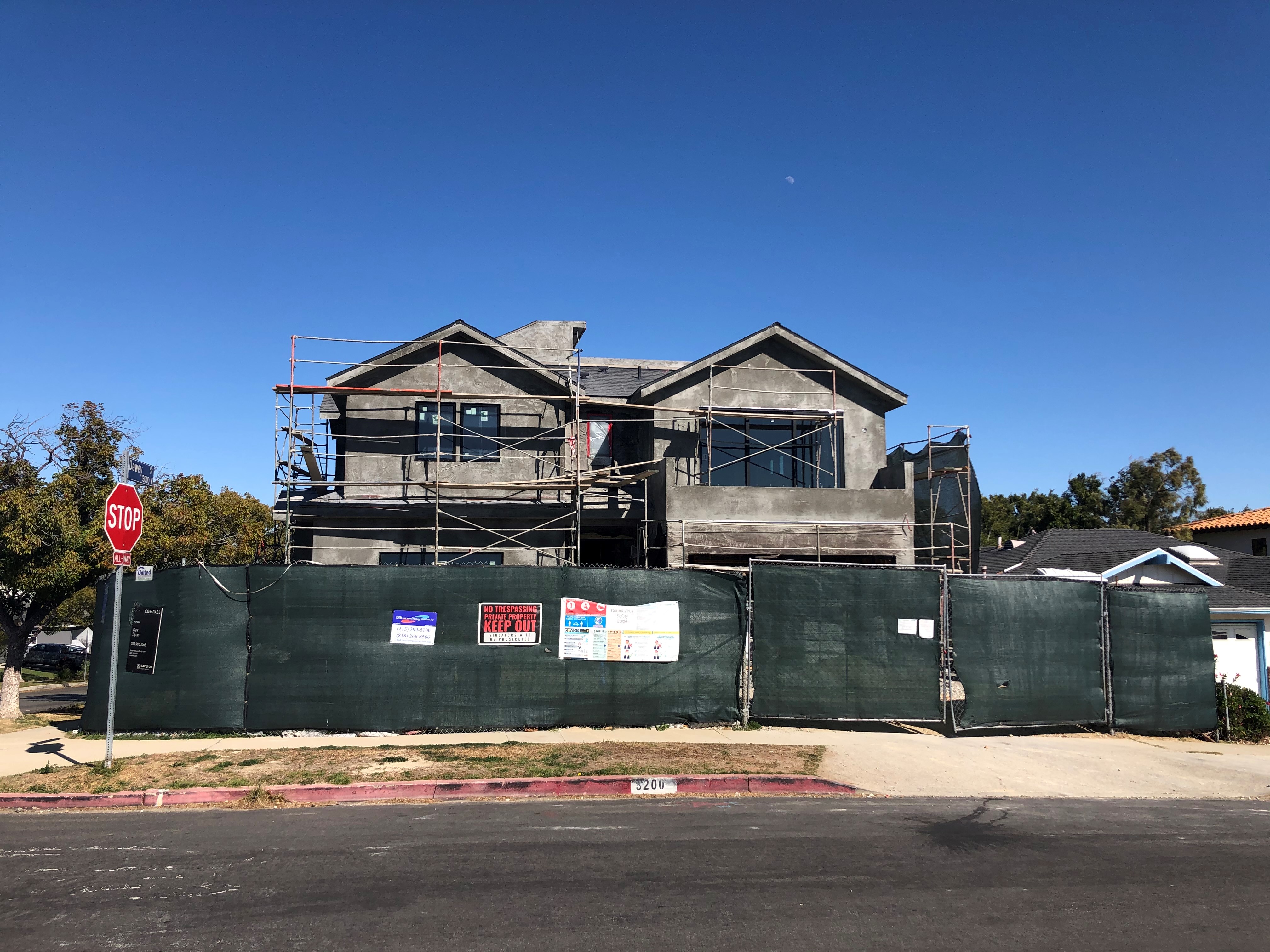
Now that you’ve considered location and layout, it’s time to delve into the home’s structural integrity and systems. This is where you spot issues that could cost you later.
Roof Age and HVAC
Roofs and HVAC systems are vital components. A newer roof is less likely to require immediate repair, saving you stress and money. Inspect the roof’s condition or ask a professional if you’re unsure.
HVAC systems, responsible for heating and cooling, are equally important. A system nearing the end of its lifespan could mean higher maintenance costs. Know the install date to anticipate when replacements might be necessary.
Plumbing and Electrical Systems
Plumbing and electrical systems are often hidden but crucial. Old pipes can lead to leaks, while outdated wiring might not support modern appliances. Inspectors can help reveal these aspects during a home evaluation.
Ask about past upgrades or repairs. Knowing the history can prepare you for future maintenance. If new systems were recently installed, you could have peace of mind that they’re up to current standards.
Foundation and Earthquake Considerations
In areas like Los Angeles, checking the foundation is a must. Look for cracks or uneven floors, which might indicate issues. A sound foundation means a secure structure.
Earthquake considerations are also essential. Homes in this region should have undergone earthquake retrofitting. This can protect against significant damage. Verify if the property complies with safety regulations or if it needs updates.
Understanding Permits and Potential
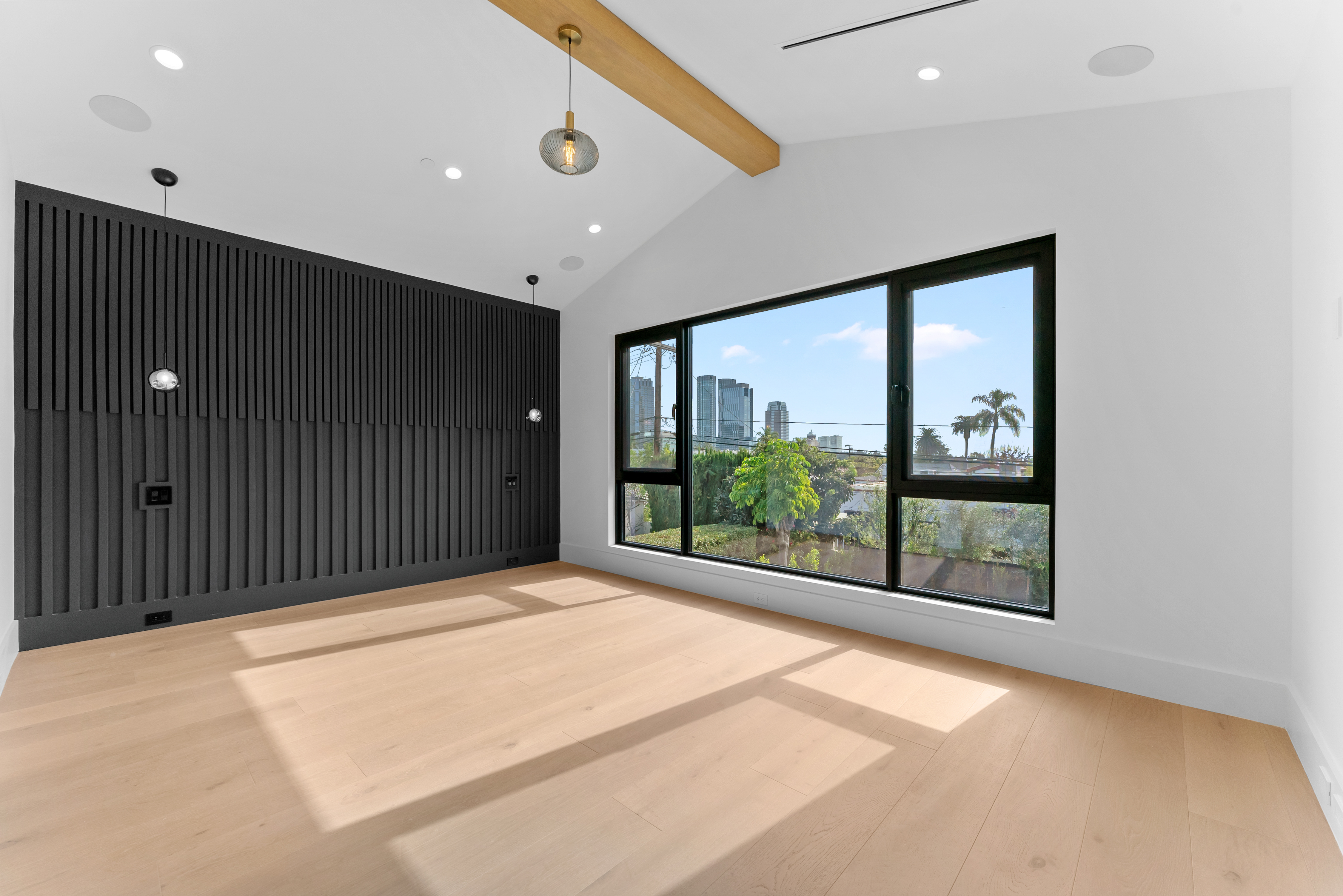
Beyond the visible, understanding permits and future potential can dictate a home’s true value. It’s crucial to know what changes you can legally make.
Permit History and Quality Additions
Before buying, review the home’s permit history. This will tell you if previous work was done legally and to code. Unpermitted additions can become your headache later.
Quality additions, such as a new kitchen or bathroom, add value. However, ensure these were done with permits to avoid legal issues. Knowing this ensures the home is not just beautiful but also compliant.
ADU Potential and Zoning Implications
Accessory Dwelling Units (ADUs) can offer extra income. Check if the property is zoned for an ADU. This adds flexibility, whether for a guest house, rental space, or home office.
Understanding zoning implications is vital for future plans. It dictates what you can and cannot build. Clarify these rules before purchasing, so your dream projects don’t hit roadblocks.
Evaluating Resale Value and Market Dynamics
Lastly, consider resale value. Even if you plan to stay long-term, understanding the market can guide a wise purchase. Evaluate comparable sales in the area. This data indicates what similar homes have sold for recently.
Market dynamics shift, so staying informed helps you anticipate changes that could affect property value. This foresight can lead to better decisions and a successful investment.
Frequently Asked Questions
What should I look for in a roof inspection?
When inspecting a roof, check for missing shingles, leaks, and age. Newer roofs typically require fewer repairs. If unsure, hire a professional for a detailed evaluation.
How do I know if a home has been earthquake retrofitted?
You can ask the seller for documentation or look for visible signs like anchor bolts. Professional inspectors can also confirm if a home meets earthquake safety standards.
Why is permit history important in home buying?
Permit history reveals if past renovations were legal and up to code. Unpermitted work can lead to costly legal issues. Always review permits before purchasing.
What factors affect a home’s resale value?
Location, market trends, and home condition influence resale value. Homes in desirable areas with modern updates generally sell for more. Regular maintenance also preserves value.
Can I add an ADU to any property?
Not all properties can have an ADU. Zoning laws vary, so check your local regulations. An ADU can enhance property value, but it’s crucial to confirm legalities first.