
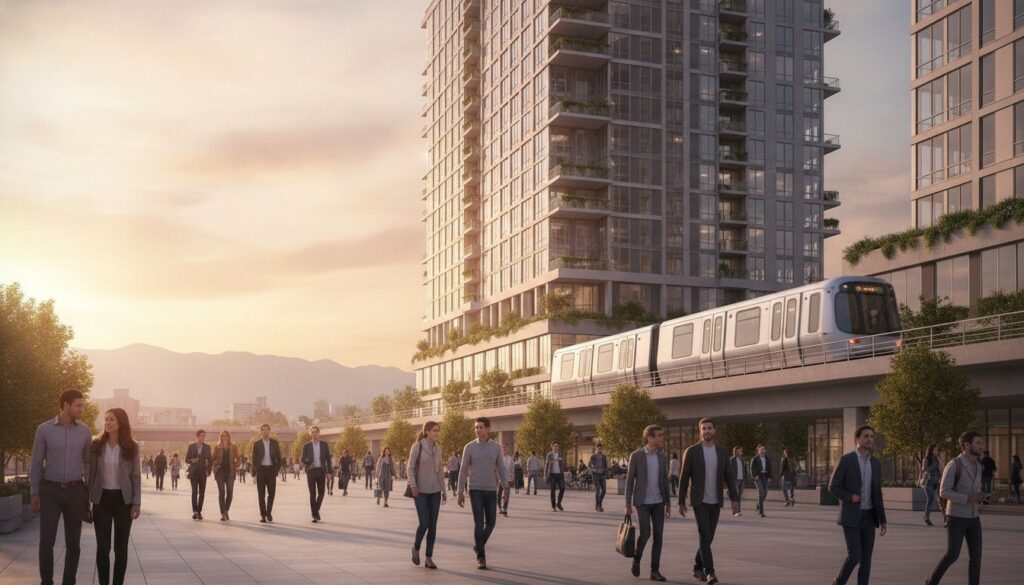
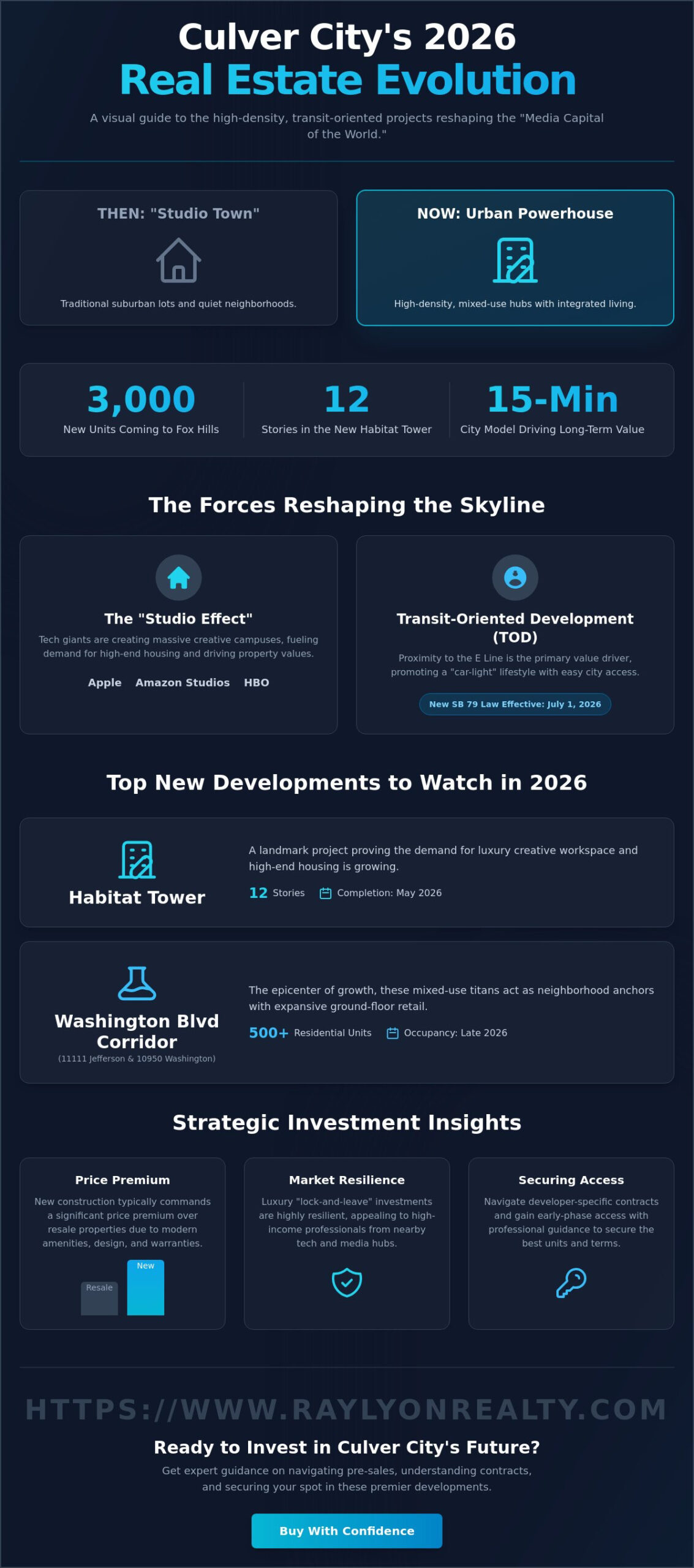
What if the most resilient real estate investment on the Westside isn’t a beachside bungalow, but a unit in a high-tech, transit-oriented hub? With the completion of the 12-story Habitat tower in May 2026 and nearly 3,000 new units coming to Fox Hills, the market for culver city new developments has shifted from a quiet “studio town” into a powerhouse of urban density. It’s natural to feel a bit of whiplash seeing this much change so quickly. You want to be part of this growth, but you need to know which projects are actually breaking ground and which ones offer the best long-term value.
I understand the hesitation that comes with such a fast-moving market. It’s often difficult to navigate pre-sales or understand how the new SB 79 transit laws, effective July 1, 2026, will impact your property’s future value. This guide provides a clear shortlist of top-tier projects and the strategic advice you need to buy with confidence. We’ll explore the ROI of new construction versus resale and give you an insider’s look at the specific developments defining the city’s future.
Key Takeaways
- Identify the shift from traditional suburban lots to high-density mixed-use hubs and see which 2026 projects are leading the “Media Capital” evolution.
- Learn why new construction typically commands a significant price premium and how to assess the market resilience of luxury “lock-and-leave” investments.
- Navigate the complexities of culver city new developments with professional strategies for securing early-phase access and understanding developer-specific contracts.
- Discover how the “15-minute city” model is driving long-term value by integrating world-class dining and retail directly into new residential footprints.
The 2026 Culver City Development Landscape: More Than Just a Housing Boom
Culver City is shedding its image as a quiet Westside suburb and stepping into its role as a global media powerhouse. While the History of Culver City is rooted in the golden age of cinema, the 2026 landscape is defined by a massive shift toward high-density, mixed-use “mini-cities.” We aren’t just seeing a few new apartment buildings; we’re witnessing a complete real estate evolution. The current wave of culver city new developments represents a strategic move toward a walkable, tech-driven future where residents live, work, and play within the same block.
To better understand this architectural evolution and how it’s reshaping the local skyline, watch this helpful video tour of the Hayden Tract:
This transformation is fueled by what industry insiders call the “Studio Effect.” When tech giants like Apple and Amazon Studios committed to massive creative campuses, they fundamentally altered the residential market. By June 2026, the completion of major projects like the Habitat tower has proven that demand for luxury creative workspace and high-end housing is only growing. The city’s focus on sustainable design and transit-oriented living has made it the blueprint for the modern 15-minute city in Los Angeles.
The Studio Effect: How Tech Giants Shape New Construction
The correlation between corporate office square footage and residential demand is undeniable. Thousands of employees from Apple, HBO, and Amazon now call this area home, driving local rental premiums and property values to new heights. In 2026, we’ve reached a tipping point where these long-planned corporate expansions are fully operational. This creates a permanent class of high-income professionals who value proximity to their creative hubs. For investors, this means culver city new developments offer a level of market resilience that’s hard to find elsewhere on the Westside.
Transit-Oriented Development (TOD) Near the Expo Line
Proximity to the E Line is now the primary value driver for new builds. Under the city’s General Plan 2045 and the implementation of SB 79, which goes into effect July 1, 2026, developers are incentivized to build more densely near transit hubs. This shift toward “car-light” living is a major change for the region. Residents can now enjoy luxury amenities and easy access to Santa Monica or Downtown LA without the stress of a daily commute. It’s a strategic evolution that prioritizes connectivity and long-term urban sustainability.
Top Culver City New Construction Projects to Watch in 2026
The skyline is changing faster than ever. While previous years focused on corporate office space, 2026 is the year of the resident. We’re seeing a massive influx of “live-work-play” environments that prioritize high-end amenities and community integration. These culver city new developments aren’t just places to sleep; they’re designed as self-contained ecosystems with rooftop gardens, sophisticated coworking suites, and direct access to new public infrastructure projects like expanded bike lanes and pedestrian plazas. If you’re looking to navigate these specific opportunities, working with an experienced residential realtor can help you get ahead of the pre-sale curve.
11111 Jefferson & 10950 Washington: The Mixed-Use Titans
The Washington Boulevard corridor is currently the epicenter of growth. Between 11111 Jefferson and 10950 Washington, over 500 new residential units are hitting the market by late 2026. These projects act as neighborhood anchors. They feature expansive ground-floor retail spaces that bring fresh energy to the streetscape. While 11111 Jefferson leans into the ultra-luxury tier with high-end finishes and concierge services, other nearby builds are incorporating more “attainable” housing options. This variety ensures the area remains vibrant and diverse rather than becoming a monolithic luxury enclave. Occupancy for these sites is staggered throughout the year, with the first wave of move-ins expected by mid-summer.
Culver Commons & The Wende Creative Community Center
West Culver is also seeing its share of the spotlight with the Culver Commons retail hub at 12337 Washington Boulevard. This development is a foodie’s dream, featuring local favorites like Smog City Brewing, El Moro, and Vox Kitchen. It’s a perfect example of how culver city new developments use “destination dining” to increase the value of surrounding residential property. Just a short walk away, the Wende Creative Community Center offers a completely different model. This boutique project features only six creative dwellings, blending culture and housing in a way that appeals to artists and specialized investors. It’s a low-density alternative to the high-rise towers found closer to the E Line.
- 6201 Residences (Fox Hills): A massive addition of 846 units, including 36 affordable homes, scheduled for final phase completion in late 2026.
- The Wende Model: Focuses on “culture-first” living with integrated community spaces.
- Retail Anchors: Projects like Culver Commons are driving foot traffic and increasing the “walk score” of previously underutilized blocks.
The timeline for these builds is critical for buyers. Most projects are currently in their final finishing stages or early occupancy phases. Securing a spot now often means better pricing before the full “15-minute city” lifestyle is completely realized and market values adjust accordingly.
Strategic Investment: ROI and Market Resilience in New Developments
Investors often ask why they should pay a 15% to 20% premium for new construction when established resale options exist. The answer lies in predictability and the “lock-and-leave” lifestyle that today’s high-net-worth tenants demand. These culver city new developments offer advanced smart-home tech, energy-efficient systems, and minimal maintenance costs that older Westside properties simply can’t match. For multi-city professionals and international buyers, the ability to secure a high-performing asset that requires zero “hands-on” management is a significant value driver. If you want to dive deeper into the mechanics of these deals, our Pillar Guide on LA Investment Properties provides a broader look at the regional market.
Some critics point to the nearly 3,000 new units planned for the Fox Hills neighborhood and wonder if the market is nearing oversupply. However, the absorption data tells a different story. The influx of thousands of employees from Apple and Amazon Studios continues to outpace the delivery of high-end housing. This persistent demand keeps vacancy rates low and ensures that well-located projects remain resilient, even during broader economic shifts. It’s a strategic ecosystem where residential luxury meets the specific needs of the Westside’s most affluent workforce.
For investors who are also exploring high-end residential opportunities in other major North American tech hubs, you can discover Vancouver Custom Homes to see how luxury custom builds and multiplexes are shaping the Metro Vancouver market.
Leveraging 1031 Exchanges for New Construction
2026 is proving to be a critical year for portfolio rebalancing. Many long-term owners are using 1031 exchanges to transition out of high-maintenance rentals from the 1960s and 1970s into sleek, high-density new builds. This move allows you to defer capital gains taxes while upgrading into an asset class with much lower capital expenditure requirements. We’re also seeing an increase in trust sales where heirs prefer the simplicity of a modern condo over the complexities of managing older multi-family units. It’s a savvy way to preserve wealth while maximizing monthly cash flow.
The Rental Market: Cap Rates and Tenant Profiles
The “Tech Tenant” is the primary driver of rental yields in this corridor. These renters prioritize proximity to their creative campuses and high-end amenities like coworking lounges and rooftop social spaces. While cap rates in Culver City remain competitive for the Westside, the real gain is in the quality of the tenant and the lease-up speed. Market data from 2025 indicated that prime new construction units in the city center typically reached full occupancy within four to six months of their initial release.
- 1-Bedroom Units: Commanding top-of-market rents due to the high volume of single tech professionals.
- 2-Bedroom Units: Preferred by “roommate-professionals” or young families who want to stay in the Culver City school district.
Lifestyle Integration: Living in the “15-Minute City”
Culver City is redefining the “15-minute city” model for Southern California. It’s no longer just a urban planning buzzword; it’s a daily reality for those choosing culver city new developments. Imagine waking up and walking to your favorite coffee shop, your creative office, and a world-class dinner spot without ever touching your car keys. While a traditional Mar Vista home offers the charm of a private yard and quiet residential streets, it often lacks this level of immediate urban connectivity. In Culver City, the street is your social hub. Projects like 100 Corporate Pointe and the Washington Fig development are designed to blend high-end housing with the social fabric of the neighborhood, prioritizing human connection over parking lot acreage.
The New Culinary and Retail Map
The shift away from “Big Box” retail is evident at 10950 Washington Boulevard. This site features 14,000 square feet of curated ground-floor space designed specifically for local-first brands and boutique services. We’re seeing this same trend at Culver Commons, which has quickly become a culinary anchor for the Westside. With tenants like Smog City Brewing, Vox Kitchen, and Rol Handroll Bar, these spaces create a “destination” feel right at your doorstep. Developers are moving away from generic commercial tenants in favor of “destination dining” that adds tangible value to the residential units above. It’s a strategic move to ensure residents have instant access to the best the city has to offer.
Public Amenities and Green Spaces
Living here isn’t just about the square footage inside your unit. The city’s “Art in Public Places” requirement ensures that new residential projects of 5 or more units contribute 1% of their valuation to the community’s cultural landscape. You can see this reflected in the Wende Museum’s expanded footprint and the sophisticated public plazas appearing near the E Line. Developers are also required to contribute to the “Urban Forest” and park funds, ensuring that high-density living doesn’t mean a lack of green space. Improved bike lanes and “slow streets” make it safer and more pleasant to navigate the city on foot or by bike. These infrastructure improvements are a major reason why property desirability continues to climb in the city center.
If you’re ready to find a home that fits this modern, walkable lifestyle, let’s explore the latest listings together to see which project matches your specific goals.
How to Secure Your Spot in Culver City’s Newest Developments
Securing a unit in the Westside’s most anticipated projects requires more than just a casual interest. If you’ve only signed up for a developer’s email “interest list,” you’re likely already behind. In the competitive world of culver city new developments, the best units and “friends and family” pricing tiers are often spoken for before the public sales office even opens. You’ll also find that developer contracts are vastly different from the standard California Association of Realtors (CAR) forms. These proprietary documents are often heavily weighted in favor of the builder; professional review is essential to protect your deposit and your timeline. At Ray Lyon Realty, we leverage our deep local network to provide access to off-market and non-public opportunities, giving our clients a distinct strategic advantage.
The Pre-Sale Process and Timing
Success in this market starts with preparation. Your first step is getting pre-approved with a lender who understands the nuances of new construction, specifically “condo-certs.” These certifications are required for certain types of financing on unfinished or newly finished buildings. Without this, your offer won’t be taken seriously. Next, we focus on identifying the “First Release” pricing tiers. Developers typically raise prices as they hit certain sales milestones; buying in the earliest phase is the most effective way to maximize your immediate equity. Finally, be prepared for “Hard Money” deposit structures. In many high-end Westside projects, deposits become non-refundable after a very short due diligence period. You need to be certain about your choice before you sign on the dotted line.
Why You Need a Buyer’s Agent for New Construction
A common myth is that skipping an agent and going directly to the developer’s sales office will save you money. In reality, those on-site agents represent the developer’s interests, not yours. Their goal is to maximize the sale price and protect the builder’s bottom line. When you have an expert agent by your side, you gain a professional negotiator who knows exactly where there’s wiggle room. We often secure significant upgrades, closing cost credits, or even HOA fee concessions that aren’t advertised to the general public. Choosing the right representation is the most important decision you’ll make in this process. You can learn more about finding the perfect partner in our Guide on Real Estate Agents in Los Angeles.
The 2026 market is moving fast, but you don’t have to navigate it alone. Whether you’re looking for a primary residence near the E Line or a strategic investment in Fox Hills, we’re here to help you secure the best possible terms. Contact Ray Lyon Realty to explore Culver City new construction opportunities and get the insider access you need to succeed.
Your Next Move in the Heart of the Westside
Culver City has officially transitioned from a studio town into a premier urban destination. We’ve explored how the “15-minute city” model and the influx of tech giants are driving value across the region. Whether you’re eyeing a luxury unit at 11111 Jefferson or a strategic investment in Fox Hills, the window for early-phase entry is closing fast. Navigating the complexities of culver city new developments requires more than just a search engine; it requires a partner who has been in the trenches of property renovation and investment personally.
I’ve spent my career building the granular local knowledge and the network needed to uncover exclusive, non-public opportunities in the Culver City and Mar Vista markets. You don’t have to tackle developer contracts or pre-sale lists alone. My goal is to make your transition into this high-growth market as seamless and rewarding as possible. Explore Culver City New Developments with an Insider Expert today. The future of the Westside is being built right now, and I’m ready to help you secure your place in it.
Frequently Asked Questions
What are the biggest new developments currently under construction in Culver City?
The most significant projects currently shaping the skyline include the 6201 Residences in Fox Hills and the massive mixed-use titans at 11111 Jefferson and 10950 Washington. While the 12-story Habitat tower was completed in May 2026, these other sites are in various stages of final construction. Collectively, they represent a shift toward high-density living that prioritizes walkability and direct access to creative office hubs.
Are there any affordable housing options in the new Culver City buildings?
Yes, many culver city new developments include dedicated affordable housing units as part of the city’s 2021 to 2029 Housing Element implementation. For instance, the 6201 Residences project in Fox Hills features 36 affordable units out of its 846 total residences. These inclusions are designed to maintain economic diversity as the Westside grows, often providing high-quality amenities to residents at various income tiers.
How will the new 2026 developments affect traffic on Washington and Jefferson Boulevards?
Traffic is being addressed through transit-oriented design and the city’s “slow streets” initiatives. By clustering new builds near the E Line and implementing SB 79 standards, the city encourages a “car-light” lifestyle that reduces the number of daily commuters on Washington and Jefferson. Developers also contribute to public infrastructure funds to improve bike lanes and pedestrian safety, helping to mitigate the impact of increased density.
Is it better to buy a new condo or a single-family home in Culver City for investment?
New condos often provide better short-term rental yields and lower maintenance costs, making them ideal for “lock-and-leave” investors. While single-family homes in neighborhoods like Mar Vista offer long-term land appreciation, new construction sales attract high-earning tech professionals who prioritize amenities like rooftop gardens and coworking spaces. Your choice should align with whether you prefer capital growth or steady, low-effort cash flow.
What is the “Studio Effect” and why does it matter for real estate?
The “Studio Effect” refers to the surge in residential demand caused by tech and media giants like Apple and Amazon Studios establishing massive campuses in the area. This influx creates a permanent base of high-income tenants who want to live within walking distance of work. For real estate owners, this translates to higher rental premiums and increased market resilience compared to other parts of Los Angeles.
Can I use a 1031 exchange to buy into a new mixed-use development?
You can absolutely use a 1031 exchange to transition from an older rental property into a modern mixed-use unit. This strategy allows you to defer capital gains taxes while upgrading to a low-maintenance asset with better energy efficiency and higher tenant demand. Many investors in 2026 are using this vehicle to consolidate their portfolios into newer, more strategic Westside locations.
When will the 11111 Jefferson project be completed and ready for move-in?
The 11111 Jefferson project is currently in its final finishing stages, with the first wave of move-ins expected by mid-summer 2026. Occupancy is typically staggered across different phases of the building to ensure a smooth transition for new residents. If you’re interested in this specific project, it’s vital to track the final inspection milestones as units begin to hit the market for immediate possession.
Do new Culver City developments offer EV charging and sustainable features?
Sustainable features are standard in nearly all culver city new developments due to updated California building codes and the city’s own environmental goals. You’ll find integrated EV charging stations, solar-ready rooftops, and high-efficiency HVAC systems as baseline amenities. These features not only reduce the building’s carbon footprint but also lower monthly utility costs for residents, adding to the long-term value of the property.