
Polished listings can hide key details that shape true home value. You might find yourself drawn to luxury listings Santa Monica markets heavily, only to miss crucial factors like location nuances, condition, or carrying costs. Knowing how to compare listings beyond the shine helps you make smarter choices in Westside LA homes. Let’s break down what really matters and how Ray Lyon Realty‘s data-driven insights give you an edge. For further insights, check out this link.
Evaluating Santa Monica Real Estate
Let’s dive into what makes Santa Monica real estate unique. It’s more than just the shining listings; it’s about understanding the community, schools, and taxes.
Location and Walkability Factors
When searching for your dream home, location is crucial. Santa Monica offers diverse neighborhoods, each with its own charm. Proximity to parks and beaches often boosts a property’s appeal. Many buyers look for walkable areas with nearby cafes and shops. Did you know that homes near Main Street see a 15% higher demand due to their location?
Walkability can greatly impact your lifestyle and property value. Imagine strolling to your favorite coffee shop each morning. Areas like the Third Street Promenade are bustling with activity, making them highly desirable. It’s these location perks that can significantly influence your decision.
School Districts and Amenities
Families often prioritize school districts when buying a home. Santa Monica is known for its excellent schools, which can drive up demand and prices in certain areas. Do you know that living near top schools can increase property value by up to 20%?
Beyond schools, think about amenities. Access to parks, libraries, and recreational centers adds to the neighborhood’s appeal. If you’re considering a move to Santa Monica, explore the local amenities to ensure they meet your needs. This ensures you’re making the most of your investment.
Understanding Property Taxes Los Angeles
Property taxes can be a significant factor in your home-buying decision. Los Angeles County has its own set of rules, and understanding them is vital. The average property tax rate in LA is about 0.793%, but it can vary.
Knowing your tax obligations helps you plan your budget better. Many buyers forget to factor in these costs, leading to surprises down the road. Researching property taxes before buying ensures you know exactly what you’ll be paying. This knowledge helps you make informed decisions about your next home.
The Art of Comparing Listings

With a grasp on Santa Monica’s unique attributes, it’s time to learn how to compare listings effectively. This section will guide you through evaluating price, staging, and market trends.
Price Per Square Foot and CMA
One of the first steps in comparing listings is understanding price per square foot. This metric helps you determine if a home is priced fairly compared to others. A Comparative Market Analysis (CMA) is essential here. It gives you insights into recent sales and current listings.
For example, two similar homes may have different prices. By looking at the price per square foot, you can see which offers more value. A CMA from a knowledgeable Realtor like Ray Lyon provides detailed data to assist your decision-making.
Staging vs True Home Value
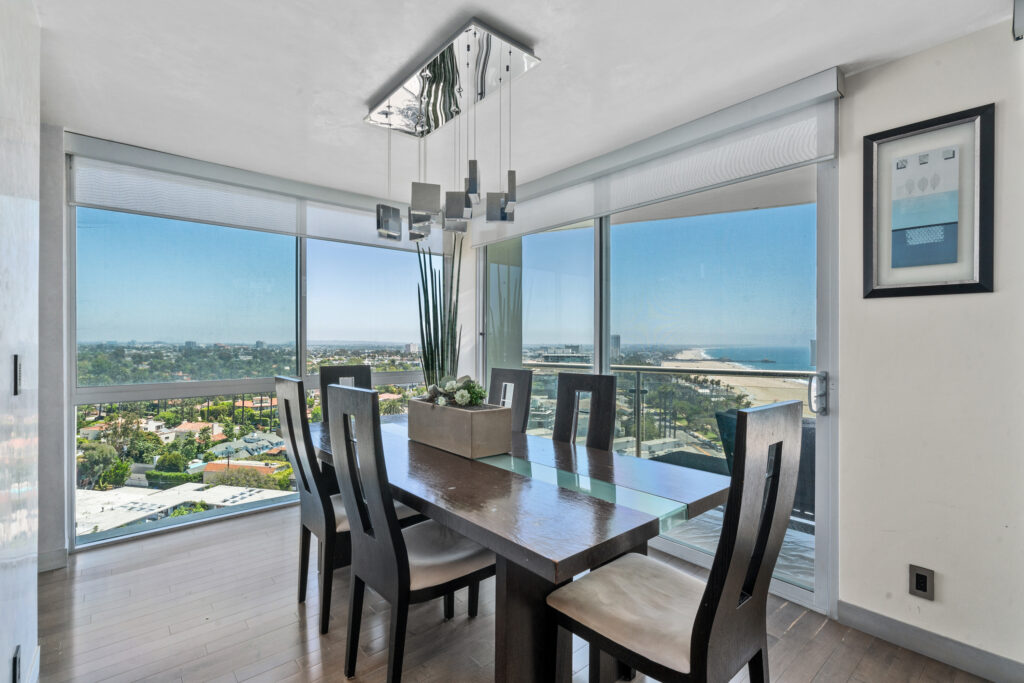
Staging can make a home look perfect, but it’s important not to be swayed by appearances alone. While staging highlights a home’s potential, it might not reveal underlying issues. Always ask yourself: is the furniture hiding floor damage?
Focus on the home’s structure and condition rather than its decor. Take time to inspect the property thoroughly. A well-staged home might look impressive, but your goal is to find a place with lasting value. Staging shouldn’t cloud your judgment about a home’s true worth.
Days on Market and Market Trends
The number of days a home spends on the market can reveal valuable insights. Homes lingering longer might be overpriced or have less desirable features. On average, homes in Santa Monica sell within 45 days. Properties that exceed this could indicate issues.
Keeping an eye on market trends helps you spot opportunities. If you notice a shift towards quicker sales, it might be time to act fast. Understanding these patterns allows you to make strategic decisions that align with your goals.
Uncovering True Value in Westside LA

You’ve learned how to compare listings. Now, let’s uncover what truly adds value to Westside LA homes. From condition checks to investment potential, we’ve got you covered.
Condition and Inspection Checklist
A home’s condition is paramount. Before making an offer, ensure you conduct a thorough inspection. Checking for structural issues, plumbing, and electrical systems is crucial. Did you know that nearly 30% of buyers discover unexpected repairs after purchase?
Create an inspection checklist to guide you. Pay attention to the roof, foundation, and any signs of water damage. This step ensures you’re aware of what you’re buying. A little diligence now can save you from headaches later.
Carrying Costs and HOA Dues
Owning a home involves more than mortgage payments. Consider the carrying costs like utilities, maintenance, and HOA dues. These expenses can add up quickly. In Santa Monica, HOA dues can range from $200 to $600 per month.
Knowing these costs helps you budget effectively. It’s a common oversight among buyers, but understanding them ensures you’re financially prepared. Factor these into your overall costs to avoid any surprises.
Long-term Upside and Investment Property Westside
When buying a home, it’s wise to think about long-term potential. Consider the property’s appreciation and the neighborhood’s growth prospects. Investing in Westside LA can offer significant returns over time.
For those seeking investment properties, evaluating the cap rate and conducting a cash flow analysis is vital. This helps you gauge the property’s earning potential. With the right strategy, Westside LA offers lucrative investment opportunities.
By focusing on these fundamentals, you can confidently navigate the Santa Monica real estate market. Each decision you make should be informed and strategic, ensuring your investment aligns with your long-term goals.