

Most buyers overlook critical details before making an offer on a Westside LA home. Skipping a thorough inspection can cost you thousands or put your dream home at risk. Our Westside LA home inspection checklist highlights key areas like foundation, seismic retrofits, and local disclosures that every buyer must review before bidding. Download the checklist and book a strategy call to make your offer with confidence.
Key Structural Inspections

Buying a home isn’t just about finding the perfect kitchen or the right number of bedrooms. The structure of the house is vital to consider to avoid unexpected repairs.
Foundation and Drainage Concerns
The foundation is the backbone of any home. You want to ensure it’s strong, supporting your dream without worry. Cracks in the walls or floors can signal issues. Water pooling near the base might mean drainage problems. This can lead to foundation damage or mold. Before you bid, consider hiring a foundation specialist. They can give you insights and possibly save you thousands in repairs.
For a detailed guide on home inspections, Rocket Mortgage provides a comprehensive checklist that can serve as a valuable resource.
Roof Plumbing Electrical Overview
Roof problems can be costly. Missing shingles or leaks are red flags. A good roof keeps your home dry and safe. Check the plumbing next. Look under sinks for signs of leaks. Examine the water heater. Electrical systems need attention too. Flickering lights or outdated wiring can be hazardous. An expert can help spot hidden issues.
Reliable inspections save you headaches. You can find more information on key inspection areas in this article from West Coast Homestays.
HVAC and Windows Check
Comfort in your home depends on an efficient HVAC system. An old unit can mean higher bills. Check filters and ask when it was last serviced. Windows play a role too. Double-pane windows help with energy efficiency. Look for cracks or drafts. Checking these can ensure a comfortable and cost-effective living space.
Environmental and Safety Factors
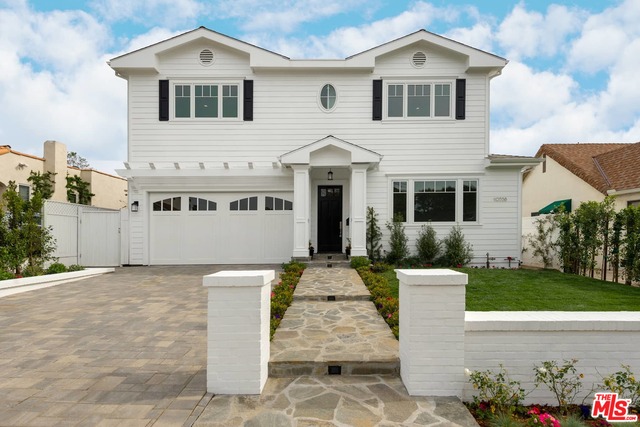
Beyond the structure, environmental factors can impact your home’s value and safety. Let’s explore these crucial considerations.
Seismic Retrofit and Fault Zones
Living in Los Angeles means dealing with earthquakes. A seismic retrofit can make your home safer. It’s worth knowing if the house sits on a fault line. This information can affect insurance and safety decisions. If you’re considering an older home, ensure it’s been retrofitted. For more, you might refer to Nestfully’s blog on walkthroughs.
Fire Hazard and Wildfire Areas
Fire safety is paramount in certain LA regions. Check if the home is in a fire hazard zone. Look for fire-resistant landscaping and sprinkler systems. Such features can protect your property and potentially lower insurance costs. Knowing these details can give peace of mind in high-risk areas.
Natural Hazard Disclosure
California law requires sellers to disclose natural hazards. This includes landslides, floods, or fires. These disclosures help you understand potential risks. It’s a legal necessity to review these before finalizing any offer. Awareness is your best defense against unexpected surprises.
Neighborhood and Zoning Insights
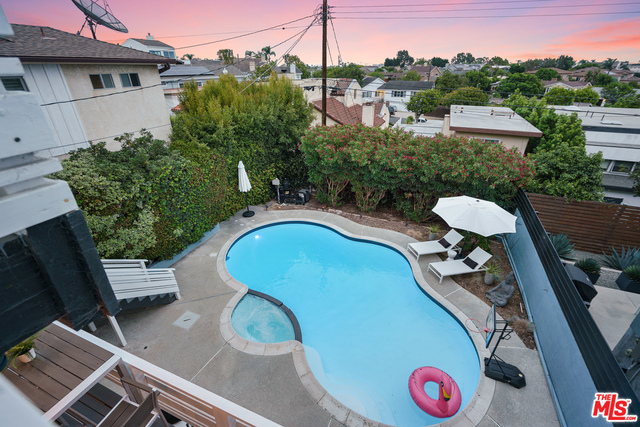
Understanding the neighborhood and zoning laws is as important as inspecting the physical structure of the home.
Coastal Zone and Permits
Living near the coast has perks, but also regulations. Homes in coastal zones may need special permits for renovations. Check these before making decisions on upgrades. This prevents future hassles and ensures you can make desired changes to your property.
Noise and Flight Path Considerations
Noise can impact daily life and property value. Homes near airports might experience regular aircraft noise. Visit the home at different times to gauge this. Understanding the noise levels can lead to a more informed decision.
School District and Walkability
A good school district can boost property value. Even if you don’t have kids, it’s a worthy consideration for future resale value. Walkability is equally important. Proximity to shops, parks, and restaurants adds convenience and appeal. Researching these aspects can help you find a home that suits your lifestyle.
Now that you’re equipped with this comprehensive checklist, remember: the longer you wait, the more you risk potential issues undermining your investment. Make sure your next purchase is a confident one, backed by thorough due diligence.